Want your deck's bracket? Paste your list into the free calculator and it scores against the full bracket rules in seconds. No account needed.
For most of Commander's history, talking about deck power level meant a hand-wavy 1-to-10 scale where one player's 7 was another player's 5. The Commander Format Panel finally retired that scale in February 2025 with an official five-bracket system, then tightened the rules around expected game length and removed several legacy restrictions in the October 21, 2025 update. It's not a banlist, it's not enforced by a sanctioning body. It's a shared vocabulary for the pregame conversation, with concrete signposts for what belongs in each bracket.
What Are the Commander Brackets?
The Commander brackets are the official power-level system for MTG Commander decks, run by the Commander Format Panel. There are five: Exhibition, Core, Upgraded, Optimized and cEDH. Each is anchored to an expected game length rather than a card list, and the only hard restriction anywhere in the system is the 53-card Game Changers list.
From most casual to most competitive, anchored to the expected game length introduced in the October 2025 update:
The turn counts are the load-bearing rule. They're what the October 2025 update used to replace the old hard prohibitions on tutors, infinite combos, and mass land denial. The reasoning: if a deck can't reliably end games before turn 8, the question of whether it "has a combo" matters a lot less than how fast that combo can come together.
Why Did Wizards Introduce the Bracket System?
To replace the old 1-to-10 power scale, which meant something different to every player at the table. The brackets give MTG Commander players a shared vocabulary for the pregame conversation, anchored to how quickly a deck expects to end the game rather than to one person's sense of what a 7 is.
The Rule Zero conversation, "how powerful is your deck?", has been the worst part of Commander for years. The old 1-to-10 scale was a Rorschach test. A tuned-precon player might call their deck a 6 because it has Sol Ring and Cyclonic Rift; the cEDH player across the table would call the same deck a 4. There was no shared vocabulary, so the conversation usually defaulted to vibes and the games defaulted to mismatches.
The bracket system is the Commander Format Panel's attempt to fix that with hard signposts. The brackets are not rules enforced by a tournament organiser. They're a tool to help you find games you actually enjoy. Per the official announcement, "the brackets are meant as a tool to guide pregame conversations, not an ultimate arbiter of who can play against whom." Rule Zero is still available for Brackets 1 through 4. Bracket 5 is the only one where Rule Zero is explicitly off the table, because cEDH games are competitive by definition.
Bracket 1 (Exhibition) Rules and Restrictions
Expected game length: 9+ turns.
Players expect:
- Decks to prioritize a goal, theme, or idea over power
- Rules around card legality or viable commanders to have some flexibility depending on the pod
- Win conditions to be highly thematic or substandard
- Gameplay to be an opportunity to show off your creations
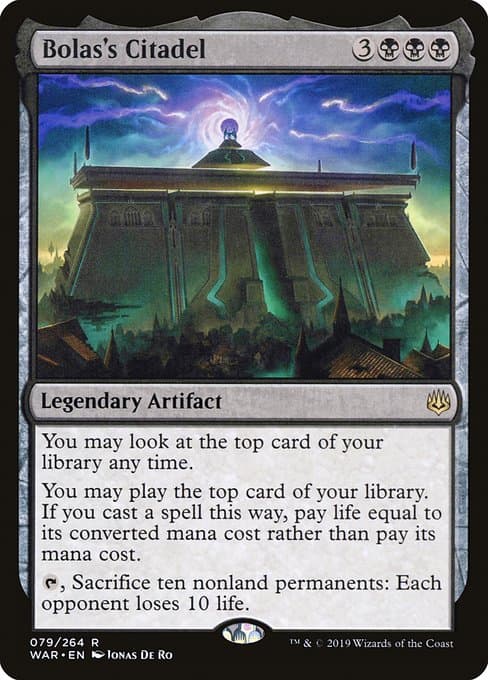
The Format Panel doubled down on Exhibition's theme-first intent. A deck isn't Bracket 1 because it's low-power. It's Bracket 1 because the build is unusual enough to need a pregame conversation. Playtest cards, Un-set cards, atypical commanders, and even Game Changers can all be on the table if they're thematically justified and the table opts in. The classic example is running Bolas's Citadel in a Bolas-themed deck: the card is a Game Changer, but it belongs.
Bracket 1 is rare and largely self-selecting. If you're asking which bracket your deck is, you're probably not building a Bracket 1 deck.
Restrictions: Exhibition is the only bracket that rules out extra-turn spells, mass land denial, and two-card infinite combos outright. Everywhere above it, those are governed by the expected game length rather than banned by name, which is why a single extra turn is fine in Bracket 2 but chaining them is not.
Bracket 2 (Core) Rules and Restrictions
Expected game length: 8+ turns.
Players expect:
- Decks to be unoptimized and straightforward, with some cards chosen to maximize creativity and/or entertainment
- Win conditions to be incremental, telegraphed on the board, and disruptable
- Gameplay to be low pressure with an emphasis on social interaction
- Gameplay to be proactive and considerate, letting each deck showcase its plan
An important update: the Format Panel explicitly removed the "average preconstructed deck" framing that originally defined Core. The reasoning was that precons themselves vary wildly in power (a Modern Horizons 3 Commander deck plays nothing like a Starter Commander deck), and pinning a bracket to the precon line caused more confusion than it cleared up. Core is now defined by the gameplay experience, not the product line.
What's allowed: the full Magic legal card pool minus Game Changers. Combos are permitted, including two-card infinites, as long as the deck can't reliably assemble them before turn 8. A combo with no real tutors backing it, where you only assemble it when you happen to draw both pieces late, fits Core comfortably. Flavour cards are encouraged.
Restrictions: no Game Changers. In practice the 8-turn expectation also rules out heavy tutor packages, chained extra-turn spells, mass land denial, and any combo that can come together quickly, since those things break the turn threshold.
Bracket 3 (Upgraded) Rules and Restrictions
Expected game length: 6+ turns.
Players expect:
- Decks to be powered up with strong synergy and high card quality; they can effectively disrupt opponents
- Game Changers that are likely to be value engines and game-ending spells
- Win conditions that can be deployed in one big turn from hand, usually because of steadily accrued resources
- Gameplay to feature many proactive and reactive plays
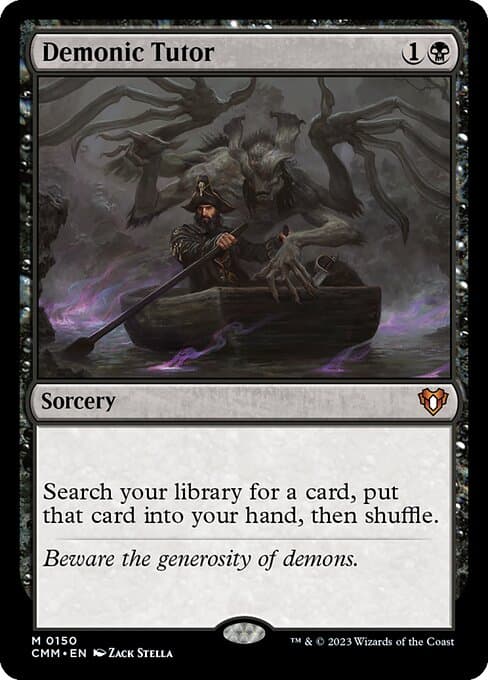
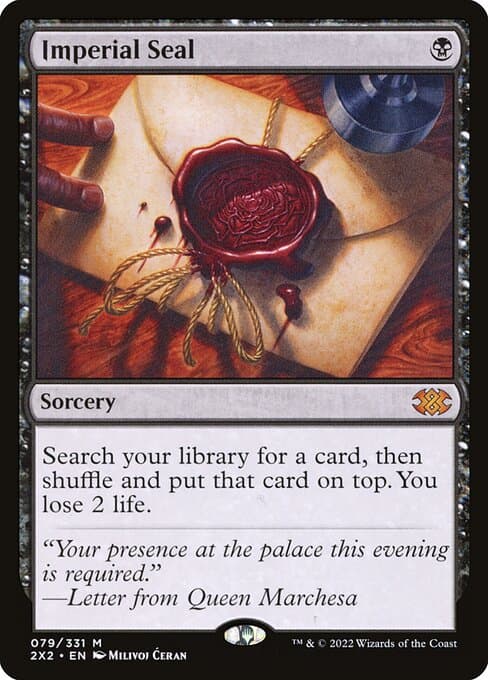
What's allowed: up to three Game Changers, two-card infinite combos that come together around turn 6 or later, and a meaningful tutor package. Tutors are no longer category-restricted under the October 2025 update; the Game Changers list catches the most efficient ones (Demonic Tutor, Vampiric Tutor, Imperial Seal, etc.).
Restrictions: no more than three Game Changers (this is the only hard cap). Anything that breaks the 6-turn expectation pushes the deck up to Bracket 4. In practice that means no mass land denial, no chained extra-turn spells, and no two-card combo your deck can reliably resolve before turn 6.
Bracket 3 is the most contested classification. The line between Bracket 3 and Bracket 4 is the most common point of confusion in the entire system. See the misclassifications section below.
How Many Game Changers Can a Bracket 3 Deck Have?
Three. A Bracket 3 deck may run up to three cards from the 53-card Game Changers list, and that cap is the only hard card restriction in the entire bracket system. A fourth Game Changer moves the deck to Bracket 4 automatically, regardless of how the rest of the list plays.
The count is per card, not per copy or per effect, and it applies to the current list only. Cards added to the list in a future update start counting the day the update lands, so a deck that sat at three Game Changers can quietly become a Bracket 4 deck without a single change to the 99. That is worth re-checking after each Commander Format Panel announcement.
Bracket 4 (Optimized) Rules and Restrictions
Expected game length: 4+ turns.
Players expect:
- Decks not to adhere to the cEDH metagame reserved for Bracket 5
- Decks to be lethal, consistent, and fast, designed to take people down as fast as possible
- Game Changers that are likely to be fast mana, snowballing resource engines, free disruption, and tutors
- Win conditions to vary but be efficient and instantaneous
- Gameplay to be explosive and powerful, featuring huge threats and efficient disruption to match
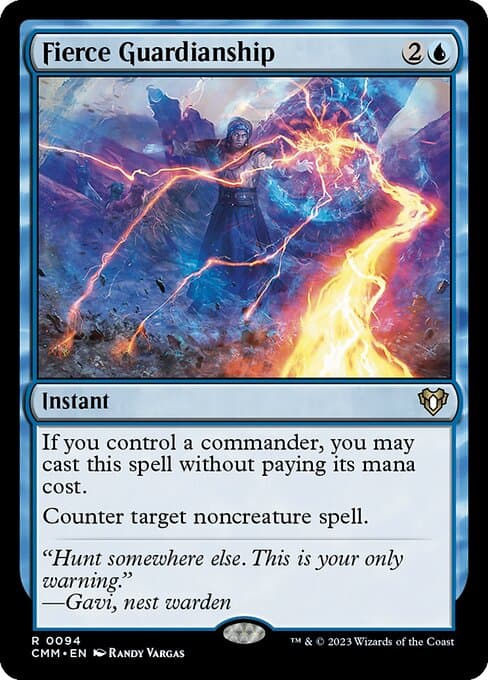
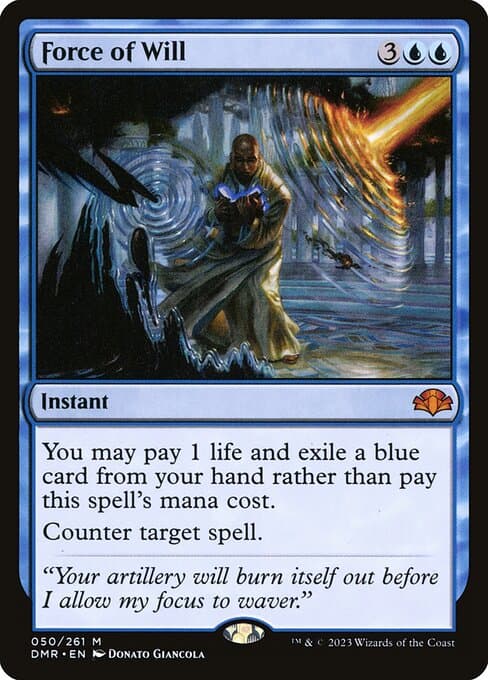
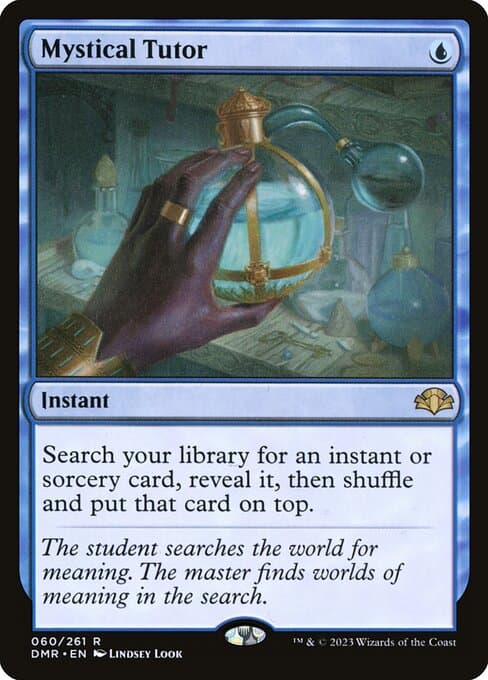
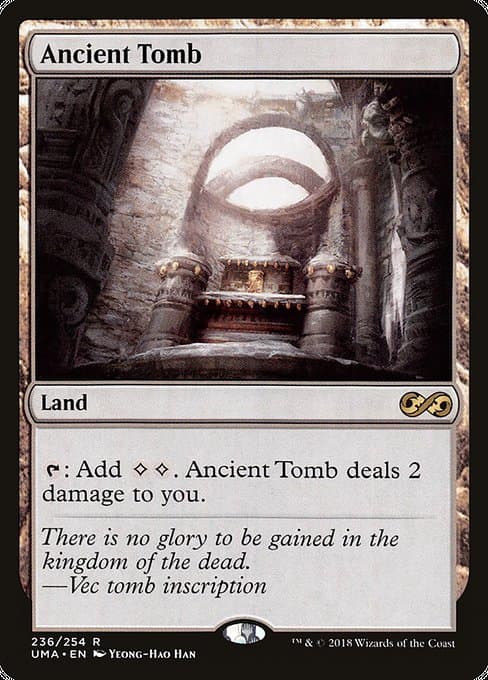
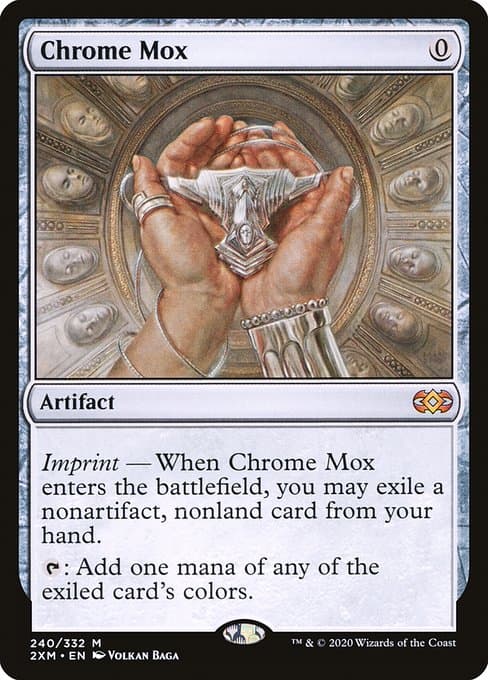
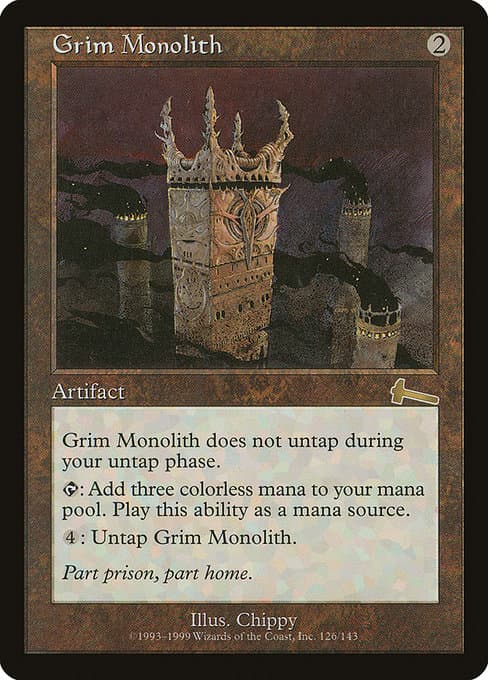
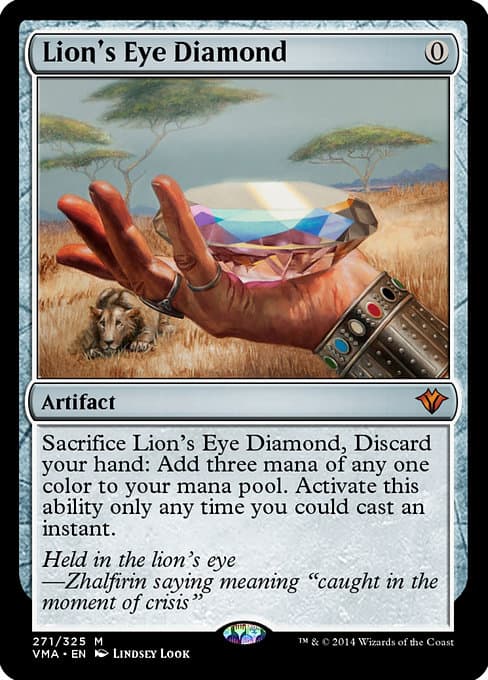
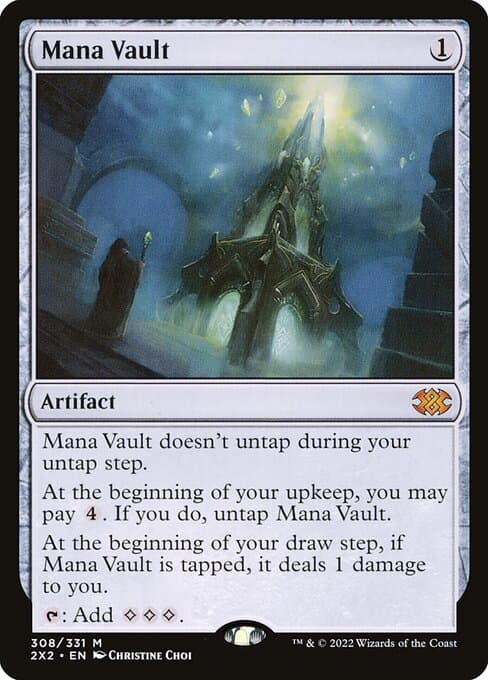
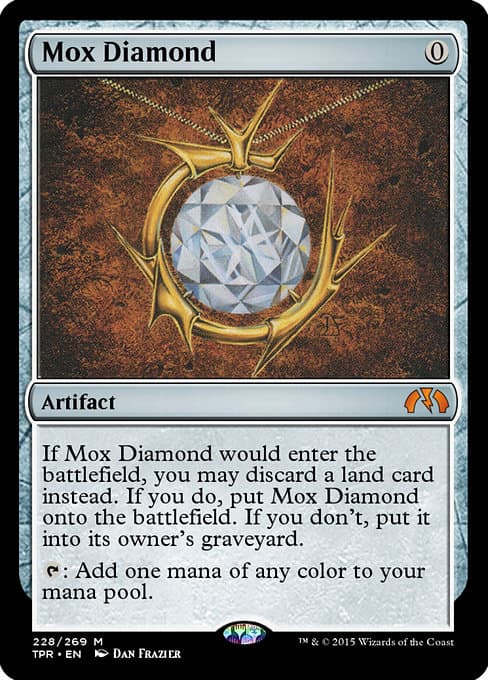
What this looks like in practice: Bracket 4 is the most optimized version of your deck. The mana base is dense with original-dual-style lands (or the closest legal substitutes), shocks, fetches, and any Game Changer lands that fit. The fast-mana suite leans on the strongest free or near-free accelerators legal in your colours: Mox Diamond, Chrome Mox, Lion's Eye Diamond, Mana Vault, Grim Monolith, Ancient Tomb. Tutors are the most efficient versions available: Demonic Tutor, Vampiric Tutor, Mystical Tutor, Enlightened Tutor, Imperial Seal, Worldly Tutor. Removal and protection lean on free disruption like Force of Will and Fierce Guardianship. Win conditions are tight, often combo-based, and usually backed up by a second redundant line.
What separates Bracket 4 from Bracket 5: Bracket 4 is built around your own preference and what's fun for you to pilot. The commander, the win condition, and the texture of the deck are personal. Bracket 5 is built strictly to beat a known competitive metagame, and personal preference doesn't enter into it. A Bracket 4 list can run a pet card, an off-meta commander, or a suboptimal-but-thematic backup plan. A Bracket 5 list cannot.
Restrictions: the format banlist only (Black Lotus, the Power Nine, etc.).
The signal that you've crossed from Bracket 3 to Bracket 4 is consistency. A Bracket 3 deck might kill on turn 5 if everything goes right. A Bracket 4 deck is built to kill on turn 4 to 6 most games. The cards may look similar from a distance, but the mana base, the fast-mana density, the tutor count, and the redundancy give it away.
Bracket 5 (cEDH) Rules and Restrictions
Expected game length: any turn. Most cEDH games end between turns 2 and 5.
Players expect:
- Decks that are meticulously designed to battle in the cEDH metagame, with the ability to win quickly or generate overwhelming resources; often built using existing cEDH knowledge, tools, and/or decklists
- Win conditions to be optimized for efficiency and consistency
- Gameplay to be intricate and advanced, with razor-thin margins for error; players prioritize victory over all else
What separates Bracket 5 from Bracket 4: mindset and metagame focus. The same card pool is on the table for both, so the difference is what you do with it. cEDH lists share commander cores (Kraum/Tymna pairs, Najeela, Kinnan, Rograkh/Silas, Tivit, and a small handful of others), run nearly identical fast mana suites, and have small intentional deviations to beat the current field. Personal preference doesn't enter into the build. Every slot is metagame-justified.
Restrictions: the format banlist only. Notably, Rule Zero discussions don't apply at this bracket: cEDH games are competitive by definition and you don't opt out of cards.
A useful test: would the deck's pilot swap their commander tomorrow if a new commander proved measurably stronger in the meta? cEDH yes. Bracket 4 no, because the commander is the point.
The Game Changers List (53 Cards, Updated Feb 9, 2026)
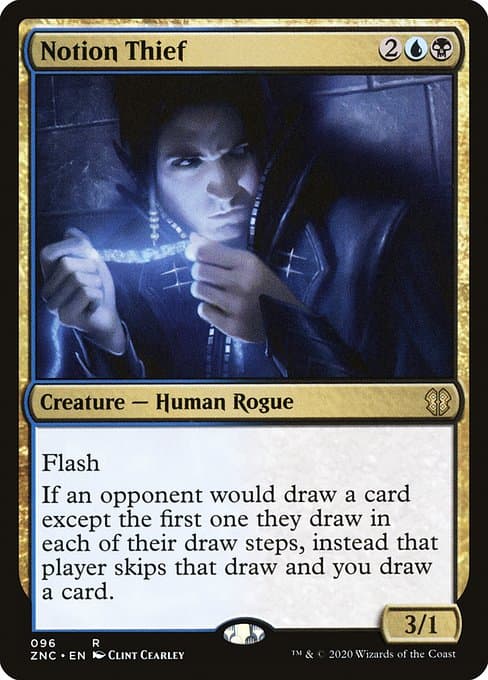
Game Changers are cards that "dramatically warp Commander games": efficient resource-advantage engines, mass-denial pieces, oppressive lock cards, extreme acceleration, or single-card win conditions. They are not banned, but they are flagged. Any one of them in a deck is something opponents should know about before the game starts.
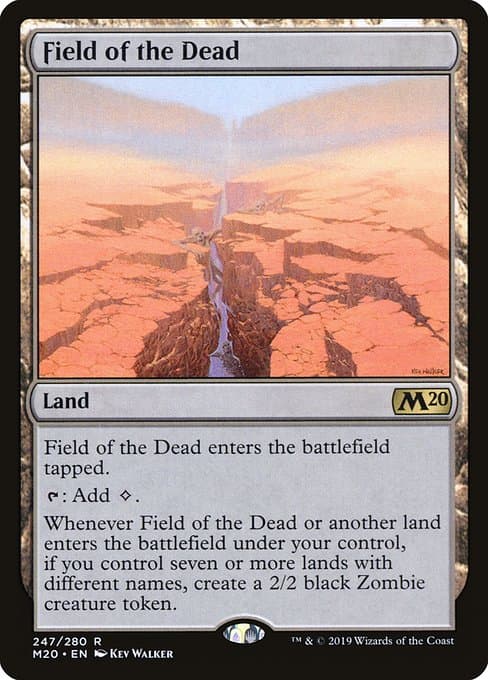
The list is owned by the Commander Format Panel and reviewed approximately every 3 to 4 months. As of the February 9, 2026 update there are 53 cards, grouped here by colour identity to match the official presentation:
This is the list as a reference. For what each card actually does and why the Format Panel singled it out, see all 53 Game Changers explained.
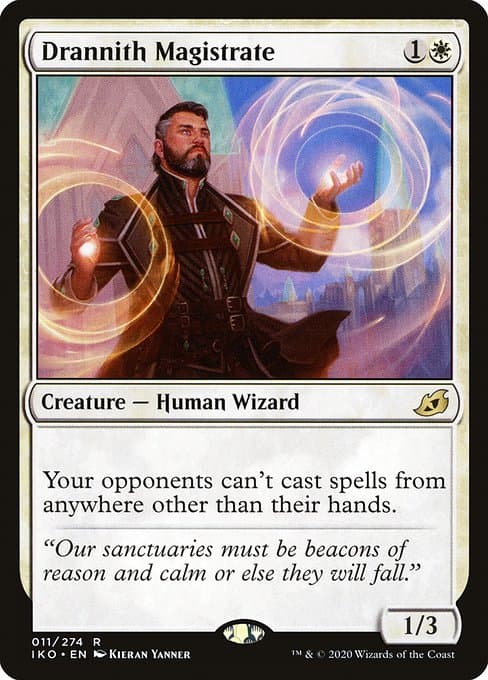
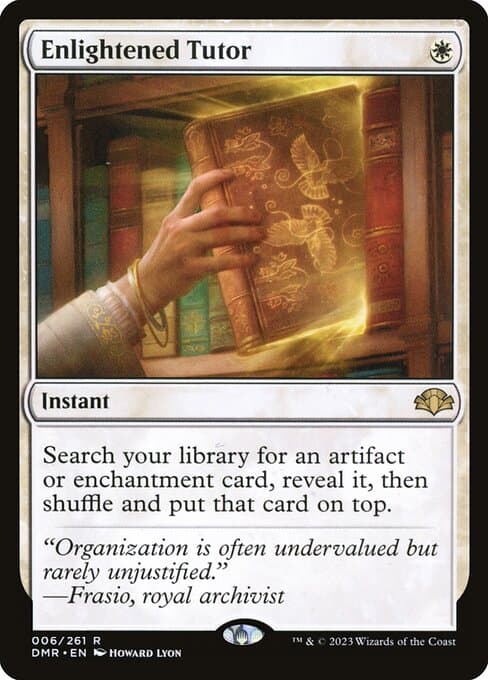
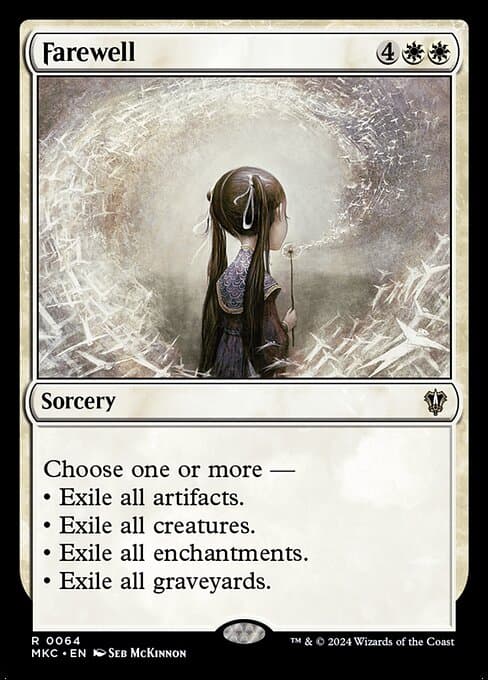
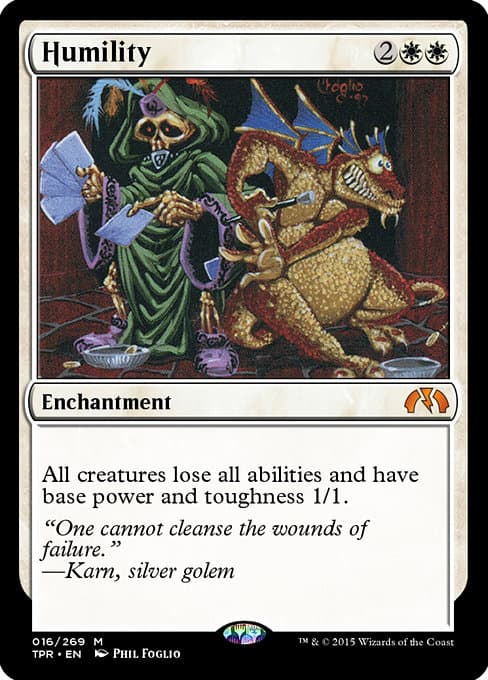
White (7)
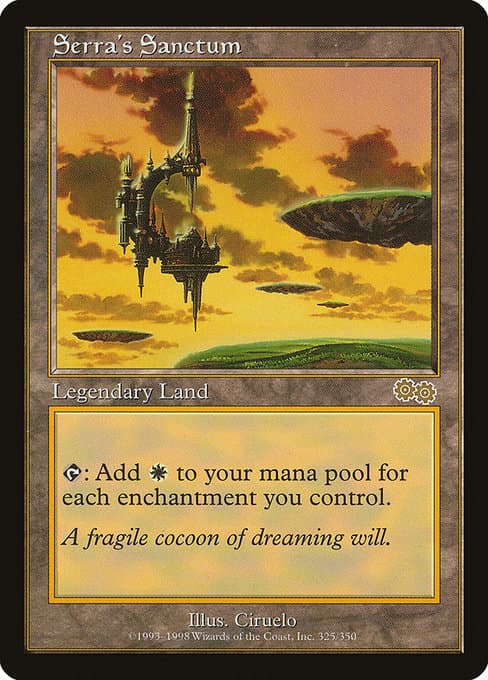
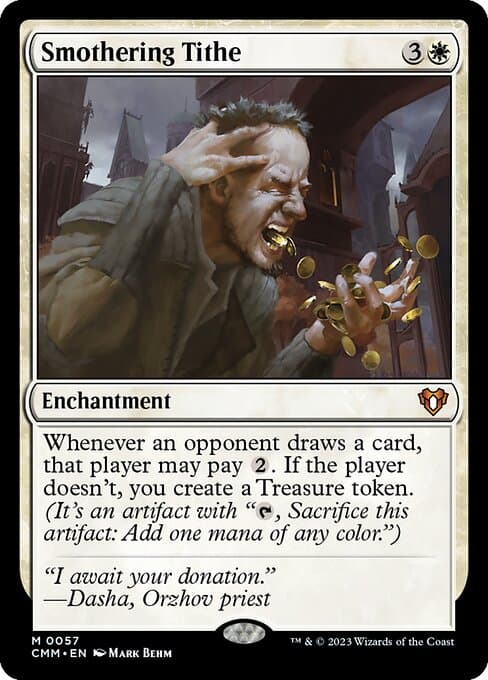
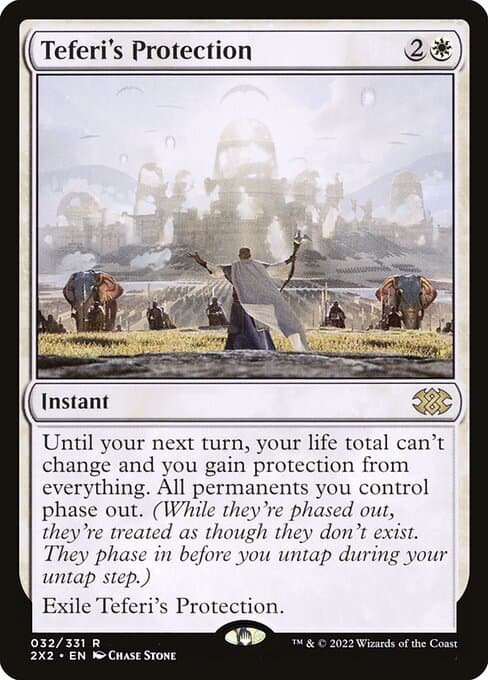
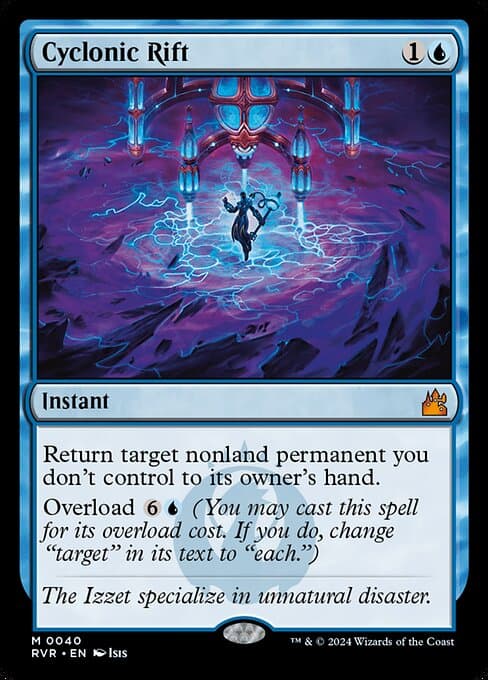
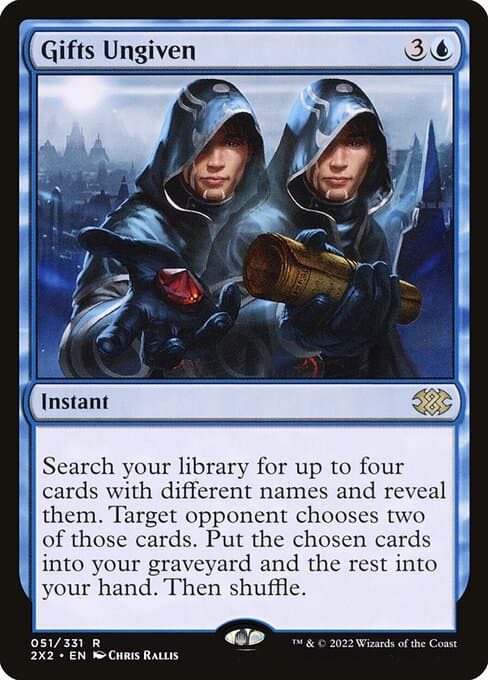
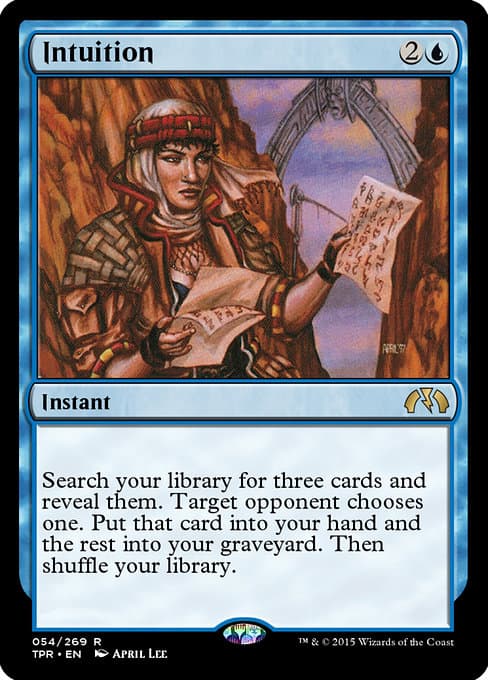
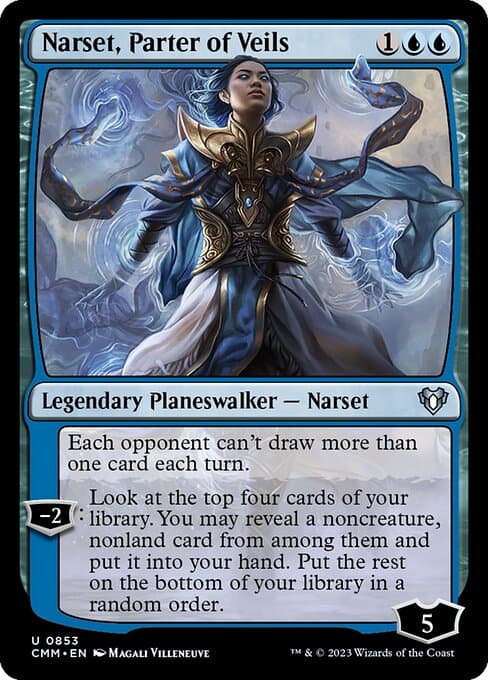
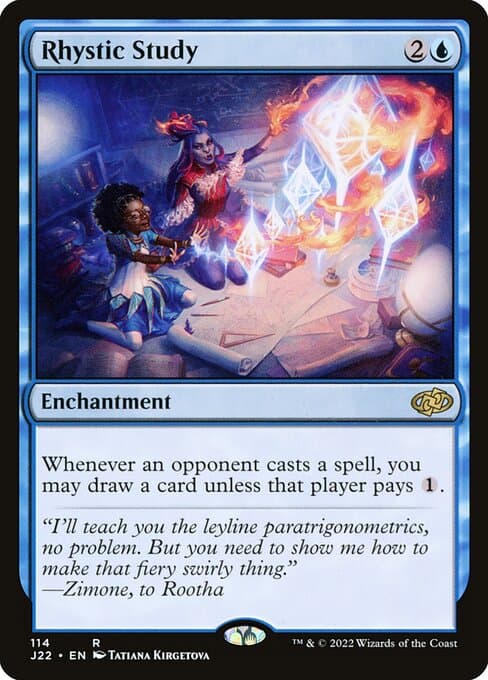
Blue (10)
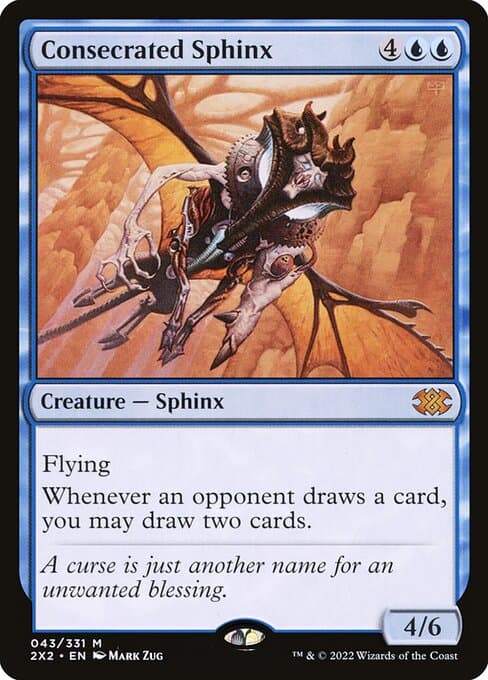
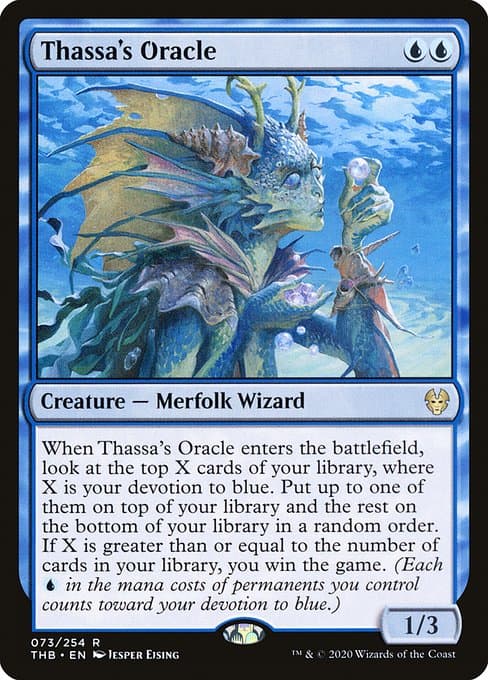
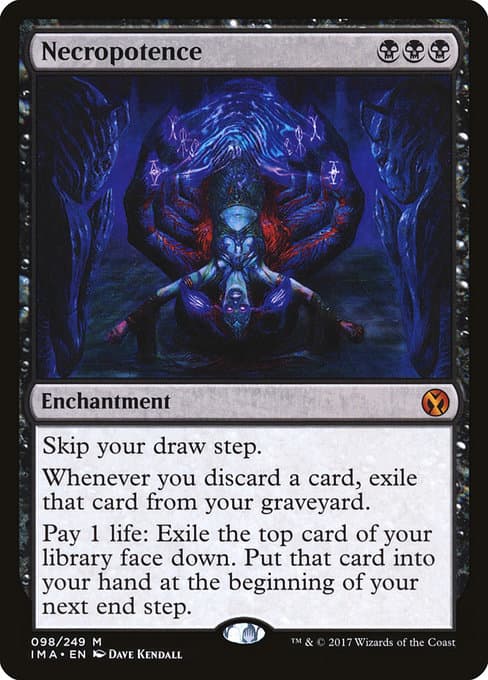
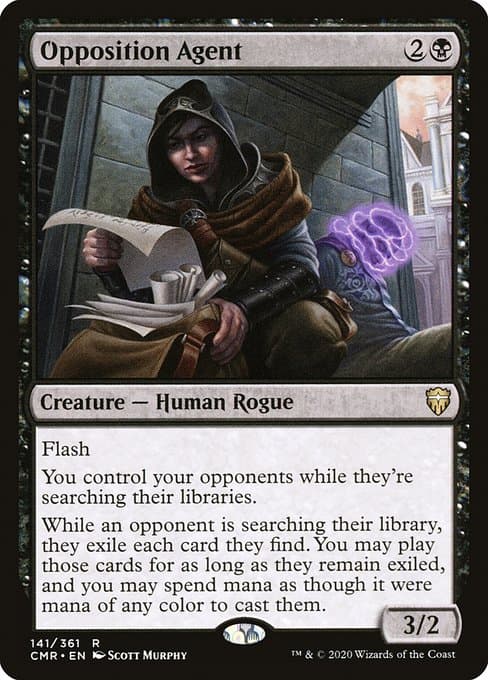
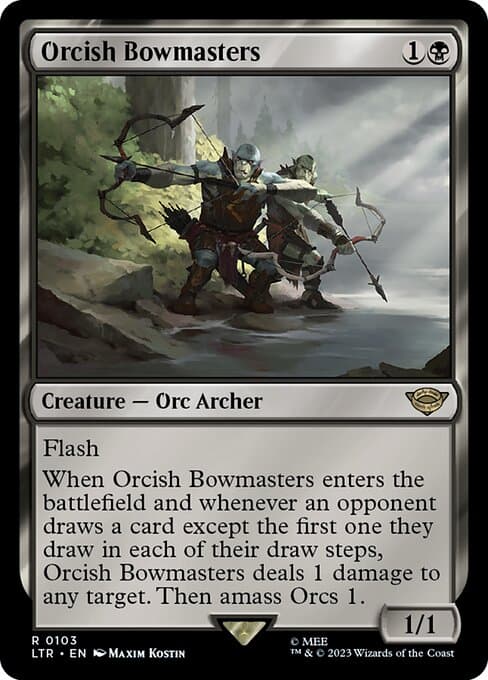
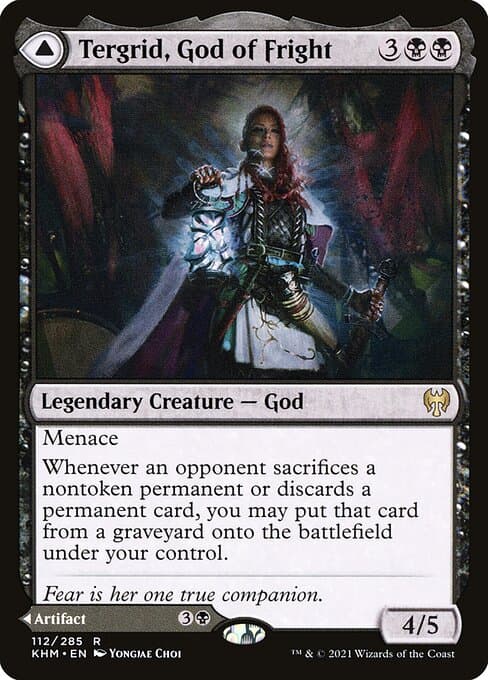
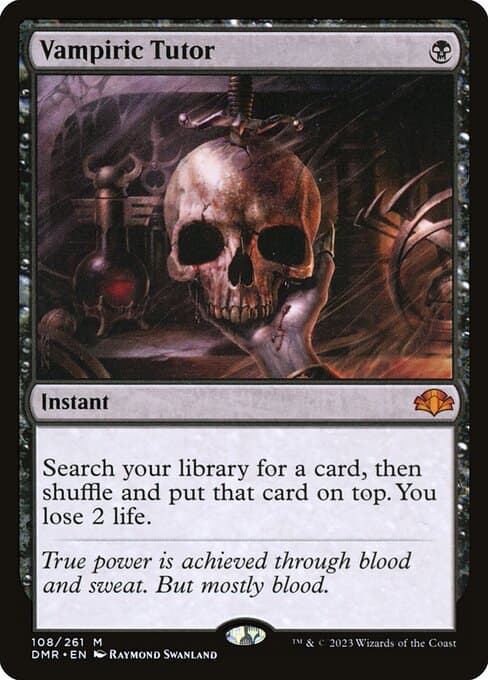
Black (10)
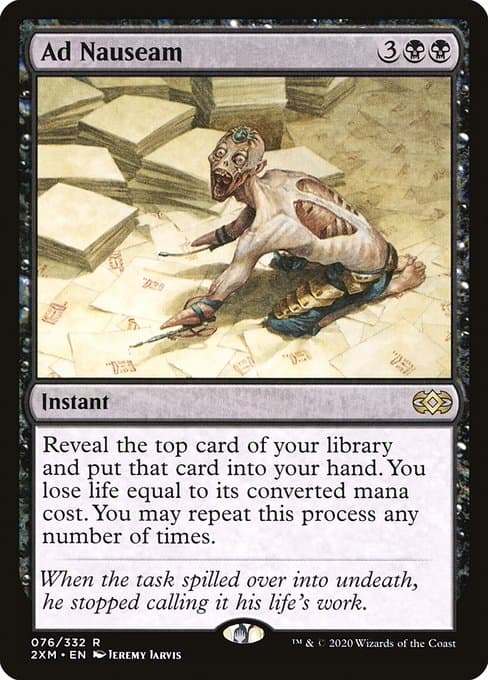
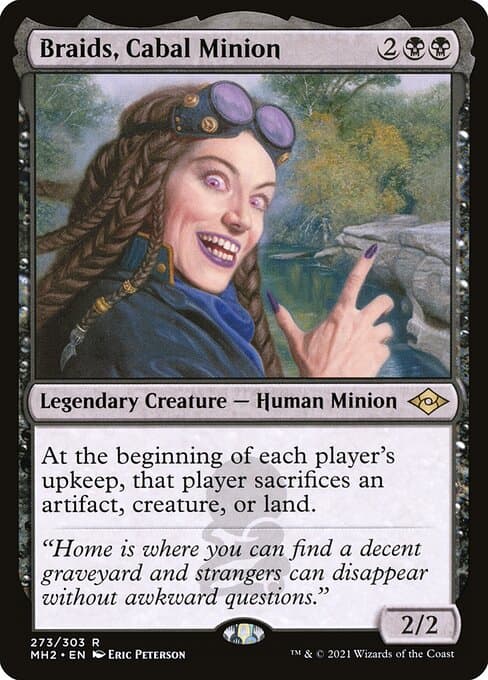
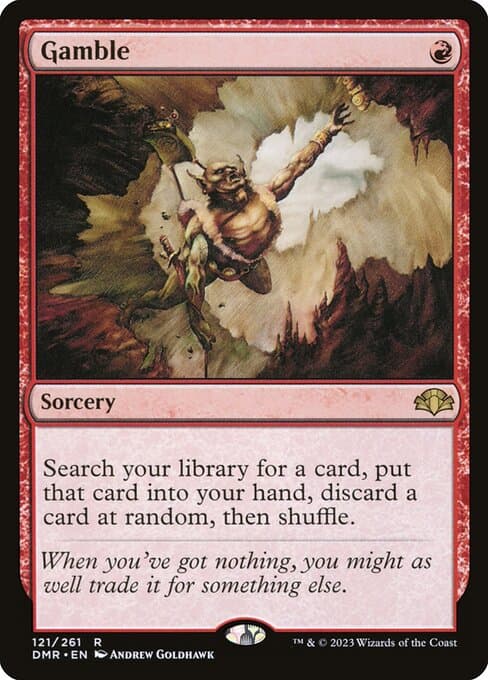
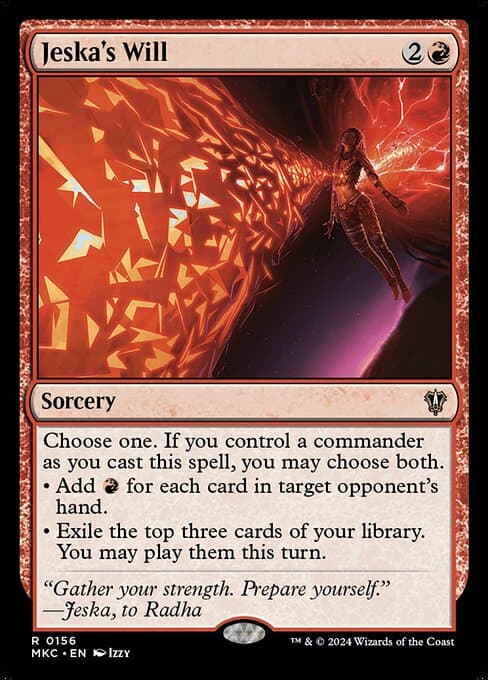
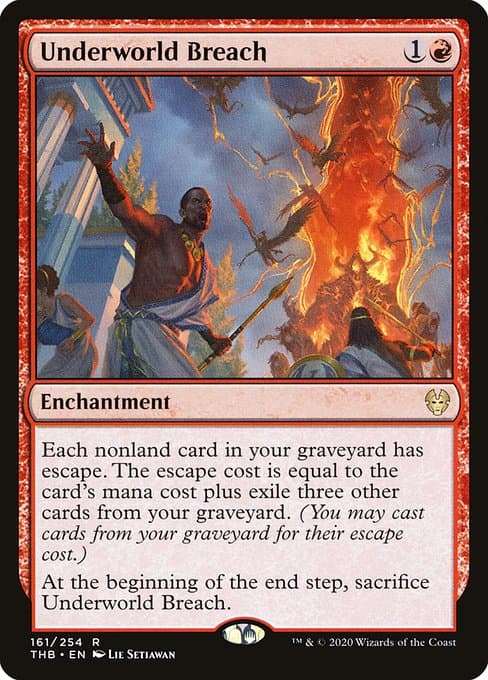
Red (3)
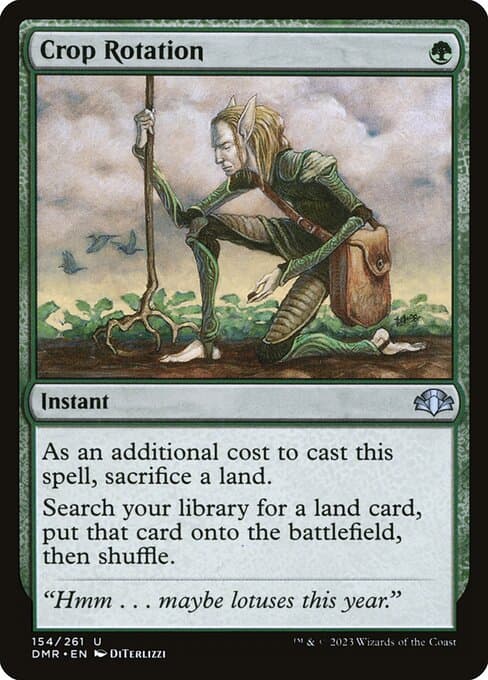
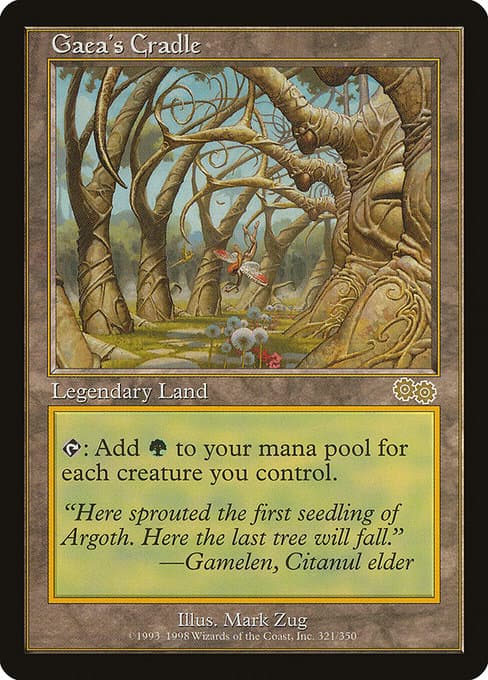
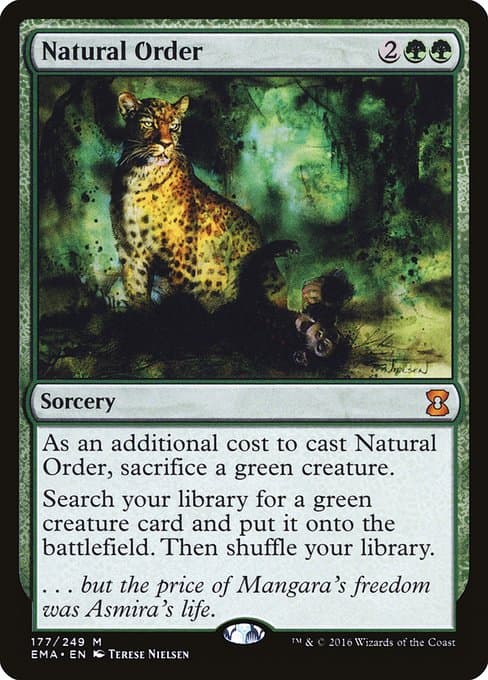
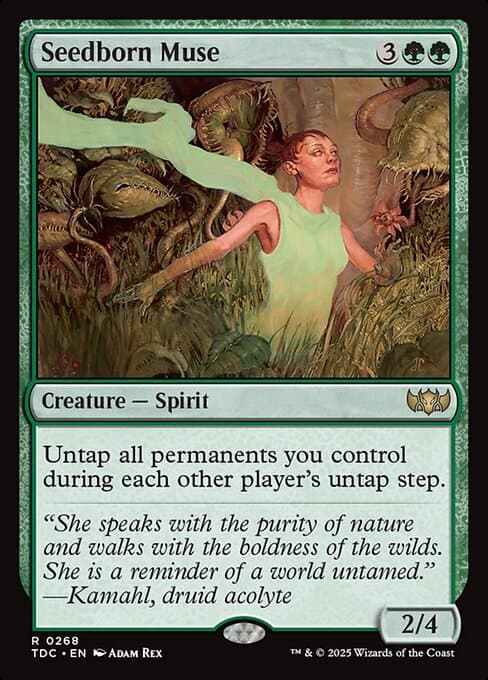
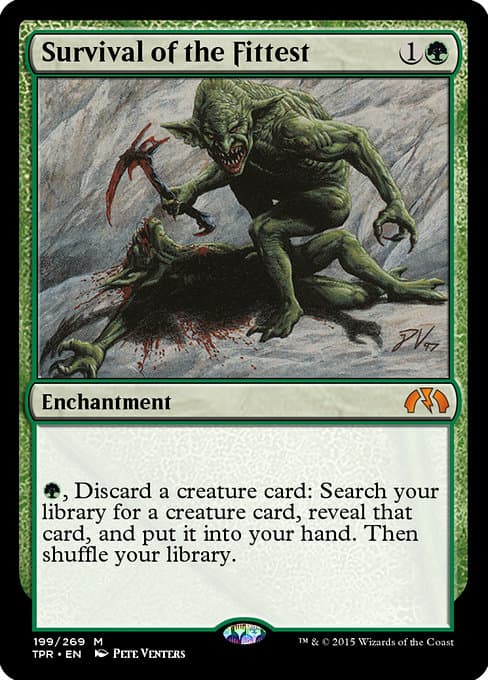
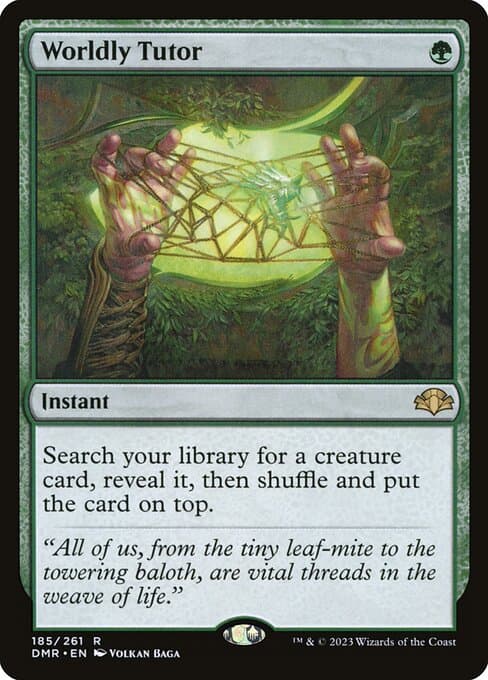
Green (7)
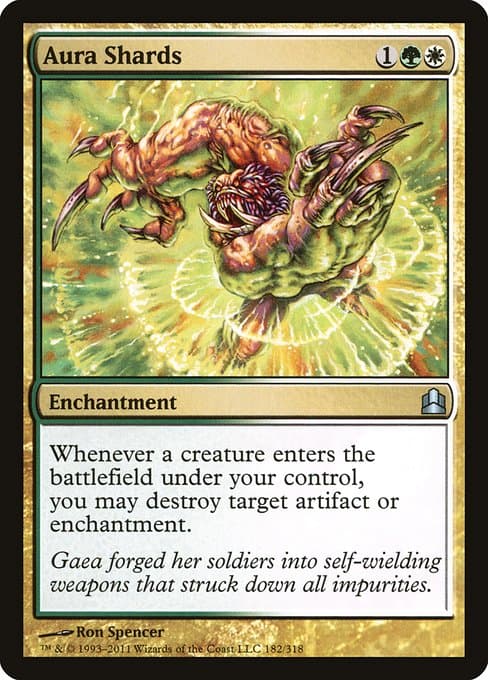
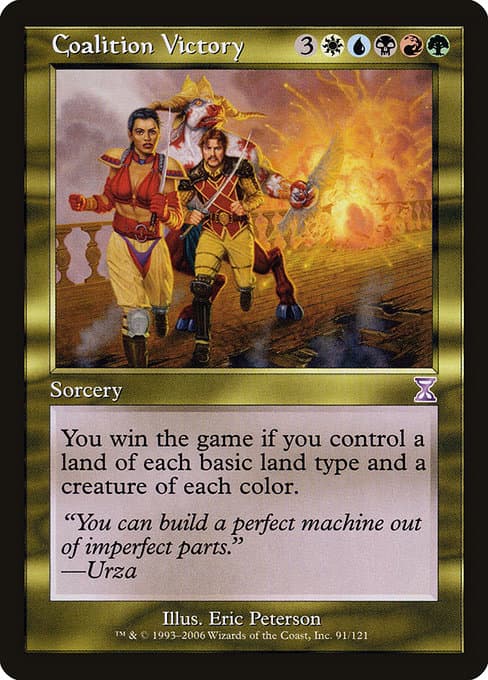
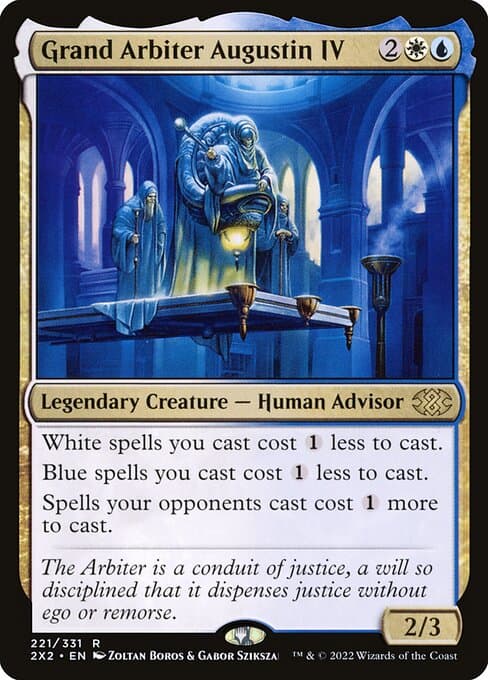
Multicolour (4)
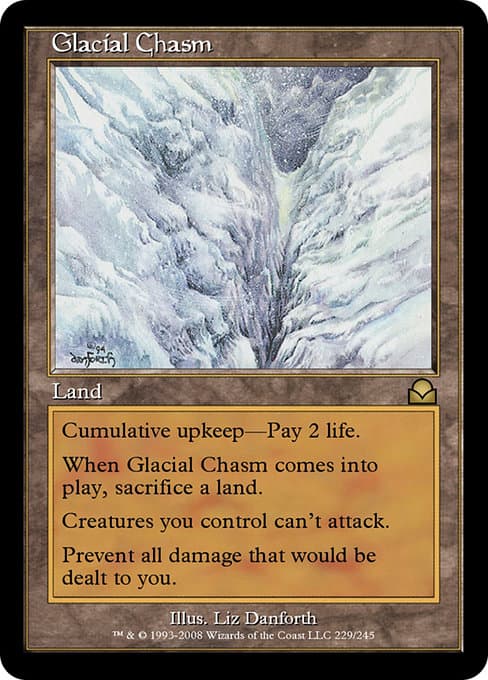
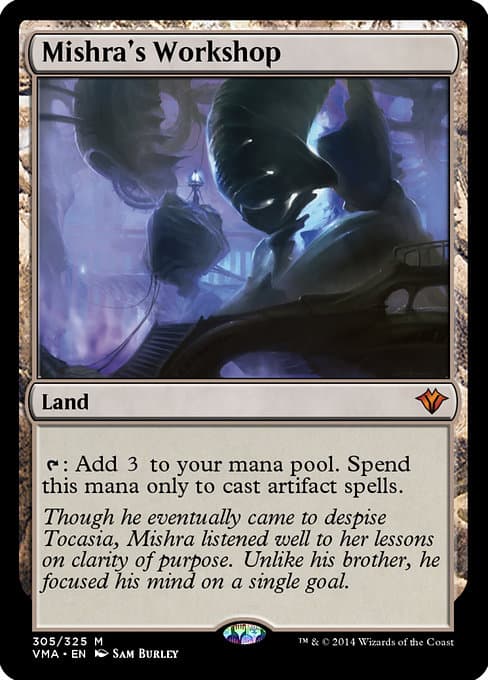
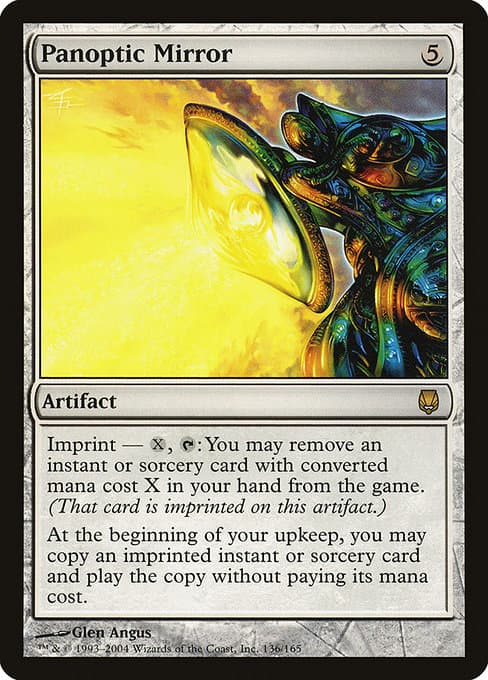
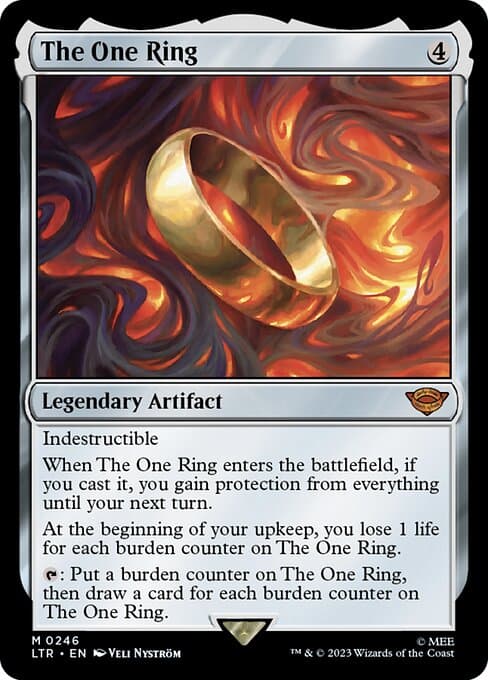
Colourless (12)
What Changed on February 9, 2026
The Feb 9, 2026 update was small but worth noting:
- Farewell added. The six-mana board wipe (which exiles up to four permanent types) was deemed too punishing for casual play. The Format Panel's rationale: it "removes pretty much everything, adding a lot of rebuilding time," and flagging it pregame lets tables opt in.
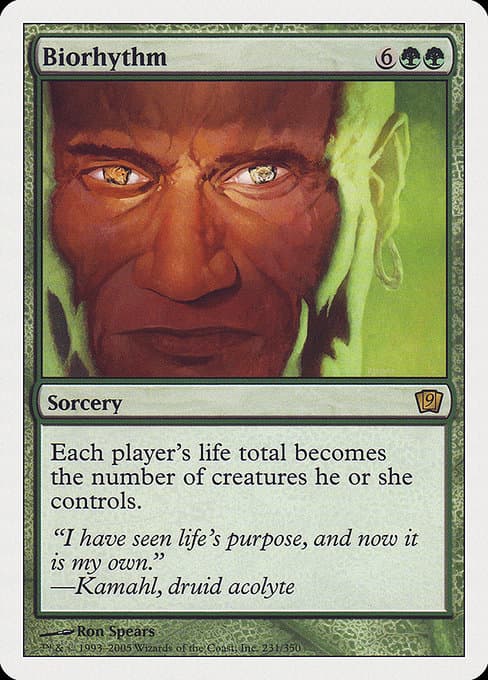
- Biorhythm added. Restored from the banned list and immediately classified as a Game Changer. Standard procedure for cards that come off the banlist with format-warping potential.
- Lutri, the Spellchaser deliberately excluded. Also restored from the banned list but explicitly not added to Game Changers. The Format Panel's reasoning: "Lutri was not banned because of its inherent power, so making it a Game Changer doesn't really make any sense."
The next update is expected in roughly May or June 2026. The system remains in beta, so further refinements to either the bracket definitions or the list are likely.
Is the Commander Bracket System Finished?
No — as of June 2026 the Commander bracket system is still officially in beta. It is not finished, final, or settled. The Commander Format Panel introduced it in February 2025, significantly reworked it in the October 2025 update (replacing the old hard prohibitions on tutors, infinite combos, and mass land denial with the expected-game-length framework), and most recently adjusted the Game Changers list on February 9, 2026.
The Panel reviews the system roughly every 3 to 4 months, so both the bracket definitions and the 53-card Game Changers list can still change. Treat any bracket guide — including this one — as a snapshot of the current rules rather than a permanent ruleset. We refresh this page whenever the Panel ships an update; the next one is expected around mid-2026.
The Most Common Misclassifications
Most players underestimate their bracket. Three patterns account for almost all the confusion:
1. "I'm Bracket 3, the combo only goes off if I draw both pieces"
Under the new framework, the question isn't whether the combo exists; it's how fast you can reliably resolve it. Ask honestly: how many tutors do I have? Can I assemble both pieces before turn 4? If yes, you're Bracket 4. A combo with 5+ tutors backing it can be found early; a combo with no tutors is closer to a happy accident. If you can reasonably resolve the combo by turn 4 to 5 most games, you're Bracket 4 regardless of how the deck "feels."
2. "I only run two Game Changers" (while running mass land denial)
The October 2025 update removed the explicit MLD prohibition, but mass land denial almost always breaks the bracket's game-length expectation. Armageddon, Ravages of War, Jokulhaups, Catastrophe, or Blood Moon in a non-MLD-themed deck typically ends games in a turn or two and is treated as Bracket 4 in practice by every serious community guide. The bracket count of two Game Changers doesn't save you; the deck plays faster than Bracket 3 allows.
3. "Extra turns aren't that strong" (while running 3 of them)
Same logic. Outside Bracket 1, extra-turn spells aren't capped at all, and a single one is perfectly at home in a Bracket 2 deck. It's chaining them that ends games early. Bracket 3's 6-turn expectation breaks the moment you take a fifth turn before anyone else has taken their third. Two or more extra-turn spells in a deck that can chain them is a Bracket 4 signal even though no single card is restricted by name.
What Bracket Is My Deck?
Count how many of the 53 Game Changers your deck runs. Four or more puts you in Bracket 4. One to three puts you in Bracket 3. Zero usually means Bracket 2, unless the deck can still end games early through mass land denial, chained extra turns, heavy fast mana, or a two-card combo it can reliably find before turn 6.
Manual method:
- Open your decklist. Count cards that appear on the 53-card Game Changers list above.
- 4+ Game Changers: you're Bracket 4 or 5. Skip to step 6.
- 1 to 3 Game Changers: you're at least Bracket 3. Continue.
- Zero Game Changers: check whether the deck can end games early anyway. Any mass land denial, 2+ extra-turn spells, a heavy fast-mana suite, or a two-card combo with enough tutors to find it before turn 6 pushes you to Bracket 4.
- If none of the speed signals are present and Game Changers are zero, you're Bracket 2 (or Bracket 1 if the deck is explicitly themed and ultra-casual).
- If you're Bracket 4+, ask: is this list built around the cEDH metagame, or around what I personally find fun to pilot? Meta-tuned and willing to swap commander for the best option: Bracket 5. Built around a commander you chose for taste reasons: Bracket 4.
The Farseek Commander Bracket Calculator
Farseek has a free Commander bracket calculator. Paste a decklist, or import from Moxfield or Archidekt, and it scores the deck. No account needed.
It checks the list against the official rules: all 53 Game Changers, mass land denial, chained extra turns, fast mana, tutor count and two-card combos. Four or more Game Changers, any mass land denial, or extra turns the deck can chain will put it in Bracket 4. A two-card combo only counts if the deck can actually find it, which it works out from your tutors, fast mana and cheap card draw. A combo with nothing to find it stays at Bracket 3, which is how most tables would read it anyway.
Counting cards answers the easy decks and struggles with the rest. For those, ask in the chat. The AI reads your strategy alongside the full text of every card in the deck, so it can tell you whether three Game Changers are what the deck is built around or just cards you happen to like, and whether the rest of the deck is really playing at that level.
Either way you see the working: every Game Changer it found, every mass land denial piece and extra turn spell, your tutor and fast mana counts, and which combos the deck can realistically assemble.
What bracket is your deck? Paste a list into the free calculator and it scores against all 53 Game Changers, flags mass land denial, extra turns, and combos, and gives you the exact bracket — with every card that triggered it. No account needed.
Frequently Asked Questions
What are the Commander brackets?
The Commander brackets are the official power-level classification system for Commander (EDH) decks, introduced in February 2025 and currently in beta. The five brackets are Bracket 1 (Exhibition), Bracket 2 (Core), Bracket 3 (Upgraded), Bracket 4 (Optimized), and Bracket 5 (cEDH). Each bracket is anchored to an expected game length: 9+ turns for Exhibition, 8+ for Core, 6+ for Upgraded, 4+ for Optimized, and any turn for cEDH. The Game Changers list is the only hard card restriction.
What is the Game Changers list?
The Game Changers list is the official list of Commander cards that meaningfully warp games and should be flagged before play. As of February 9, 2026, the list contains 53 cards. Game Changers are not allowed in Bracket 2, allowed in Bracket 1 only if highly thematic and discussed pregame, capped at three in Bracket 3, and unrestricted in Brackets 4 and 5. The list is reviewed and updated every 3 to 4 months.
What bracket is my deck?
Start with the Game Changers list. If you run 4+ Game Changers, you are at least Bracket 4. If you run 1 to 3, you are at least Bracket 3. If you run zero, check whether the deck can end games quickly anyway: any mass land denial, 2+ extra-turn spells, an assemblable two-card combo, or a high fast-mana count all push you to Bracket 4. Otherwise count back from the expected game length: 8+ turn games are Bracket 2, 6+ turn games are Bracket 3.
Is there a free Commander bracket calculator?
Yes. Farseek includes a free Commander bracket calculator that runs the official scoring rules against your full decklist: the complete 53-card Game Changers list, mass land denial, extra-turn spells, fast mana, tutor density, and combo-assembly checks. Import your deck from Moxfield, Archidekt, or a plain text list and Farseek shows you the bracket score plus every card that triggered each signal. You can also ask the AI for a deeper read that factors in your stated strategy and the full oracle text of every card.
Is the Commander bracket system finished?
No. As of June 2026 it's still officially in beta. It was introduced in February 2025, significantly reworked in October 2025, and last adjusted on February 9, 2026. The Commander Format Panel reviews it every 3 to 4 months, so both the bracket definitions and the Game Changers list can still change.
What bracket are Commander precons?
The large majority of Commander precons are Bracket 2 (Core): no Game Changers, no mass land denial, no two-card infinite combos, and 8+ turn games. A handful arrive at Bracket 3 straight out of the box, usually on the strength of a single Game Changer, and a couple of the strongest reach Bracket 4. Upgrading pushes more of them up. So treat a precon as Bracket 2 by default, but check rather than assume.
What's the difference between Bracket 4 and Bracket 5 (cEDH)?
Bracket 4 (Optimized) and Bracket 5 (cEDH) share the same card pool. Both have no restrictions beyond the format banlist. The difference is metagame focus. Bracket 4 is the most optimized version of your deck: high fast-mana count, the best dual lands, efficient tutors, snowballing engines, free disruption, and consistent win conditions, but built around a commander and strategy the pilot personally chose. Bracket 5 is tournament-tuned for a specific cEDH metagame, with every slot justified against the field's top decks, and the pilot would swap commanders if a stronger option appeared. A Bracket 4 deck ends games around turn 4 to 6; a Bracket 5 deck can end on any turn including turn 2.
What's the difference between Bracket 3 and Bracket 4?
Bracket 3 (Upgraded) expects 6+ turn games and caps Game Changers at three. Bracket 4 (Optimized) expects games to end as early as turn 4 and has no Game Changers cap. The most common misclassification is a deck running 4+ Game Changers, mass land denial, chained extra-turn spells, a heavy fast-mana suite, or a two-card combo it can reliably assemble before turn 4, and self-identifying as Bracket 3 because it feels casual. If the deck can end games before turn 6 consistently, it is Bracket 4 regardless of how the pilot describes it.